
The Way of Tea
Discovering Japan's Most Beautiful Ritual
🍵 Create Your Own Tea Ceremony Journey
Design a personalized Japan itinerary centred on chanoyu, matcha experiences, and traditional tea houses in Kyoto and Uji. Mention "tea ceremony theme" in your notes for a tailored cultural journey.
The room is almost silent.
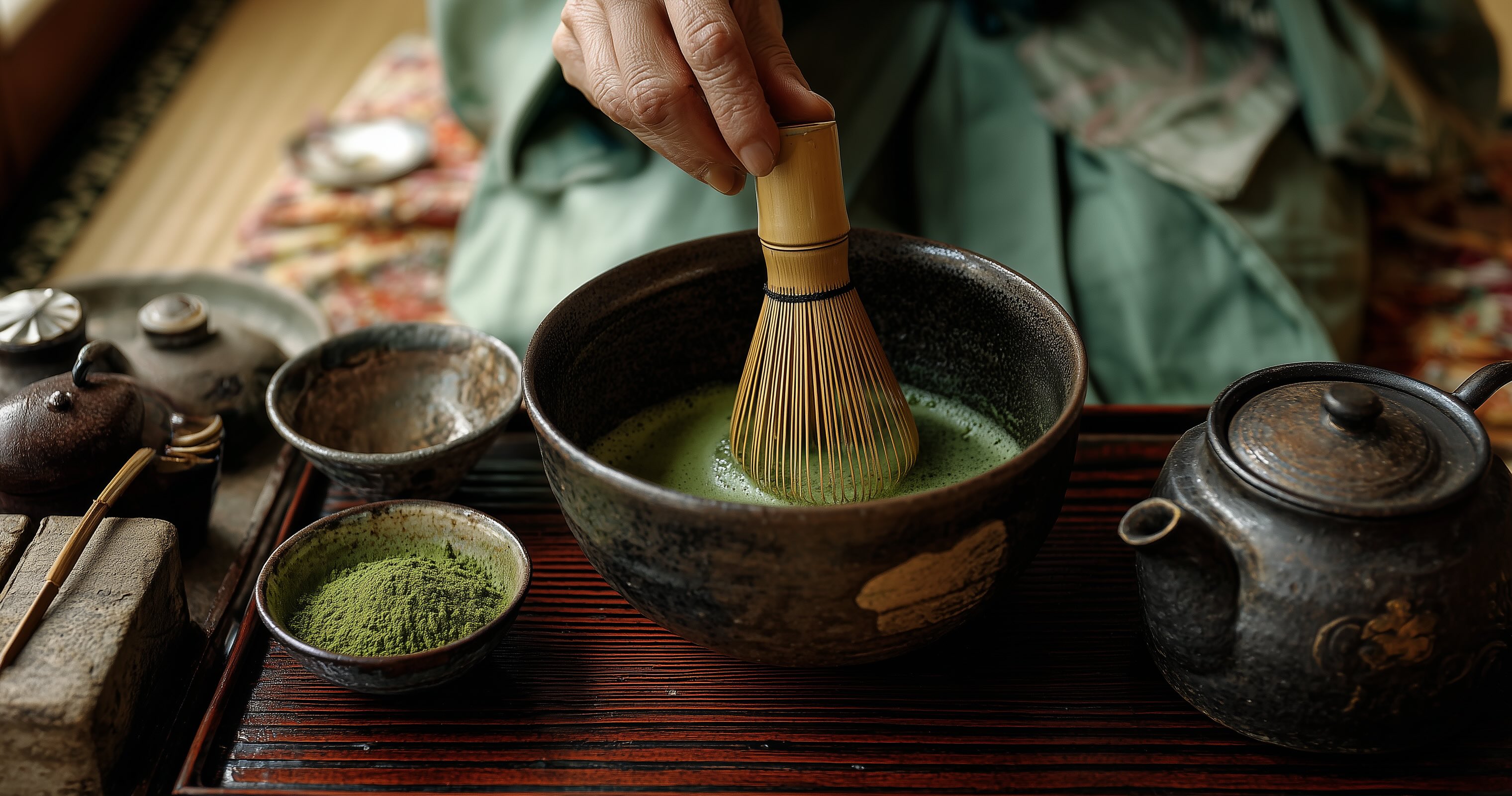
A kettle hums softly over glowing charcoal. Sunlight filters through a paper screen. Every movement is deliberate: the folding of a silk cloth, the gentle whisking of bright green matcha, the careful placement of a tea bowl that may be older than the building itself.
For first-time visitors to Japan, a tea ceremony can seem deceptively simple. There are no grand performances, no dramatic rituals, no elaborate decorations. Yet within this quiet gathering lies one of Japan's deepest cultural traditions — a practice that has shaped art, architecture, craftsmanship, philosophy, and daily life for centuries.
Known as chanoyu ("the way of tea"), the Japanese tea ceremony is far more than drinking tea. It is an expression of harmony, respect, purity, and tranquility — values that continue to influence Japanese culture today.
🏯From China to Kyoto: The Origins of Tea in Japan
Tea first arrived in Japan from China over a thousand years ago, brought by Buddhist monks who used it to stay alert during meditation.
For centuries, tea remained largely the domain of temples and aristocrats. It was during the 15th and 16th centuries, however, that tea evolved into something uniquely Japanese.
The figure most closely associated with this transformation is Sen no Rikyū, the tea master who refined many of the principles still followed today. Rather than emphasizing wealth and extravagance, Rikyū championed simplicity, imperfection, and mindfulness.
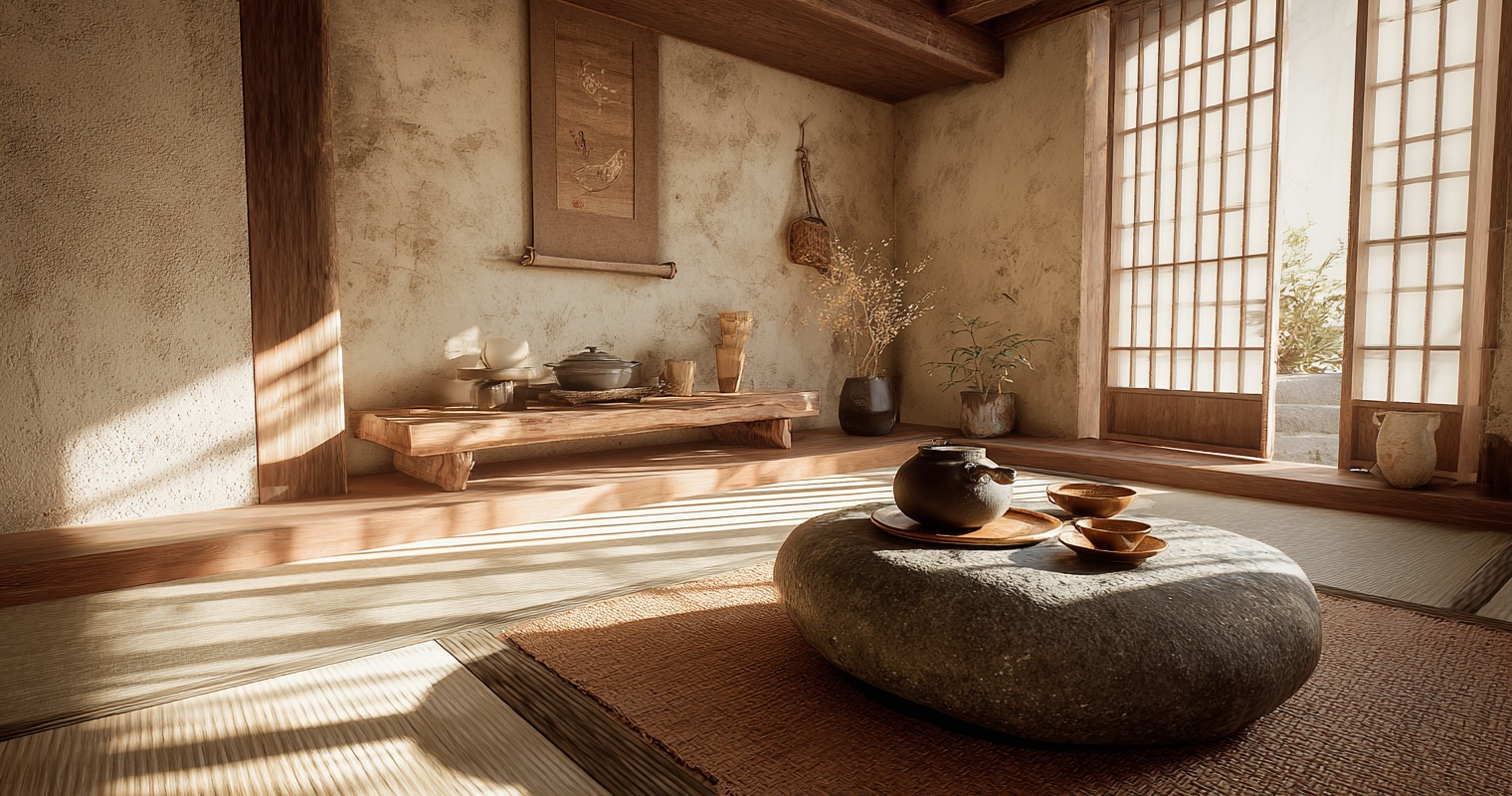
His philosophy became known as wabi-sabi — the appreciation of beauty in simplicity, naturalness, and the passage of time.
The rustic tea bowls, weathered wooden surfaces, and minimalist tea rooms that visitors encounter today all trace their roots back to this vision.
🍵More Than a Drink
To understand a tea ceremony, it helps to forget the idea that it is about tea.
Tea is simply the medium.
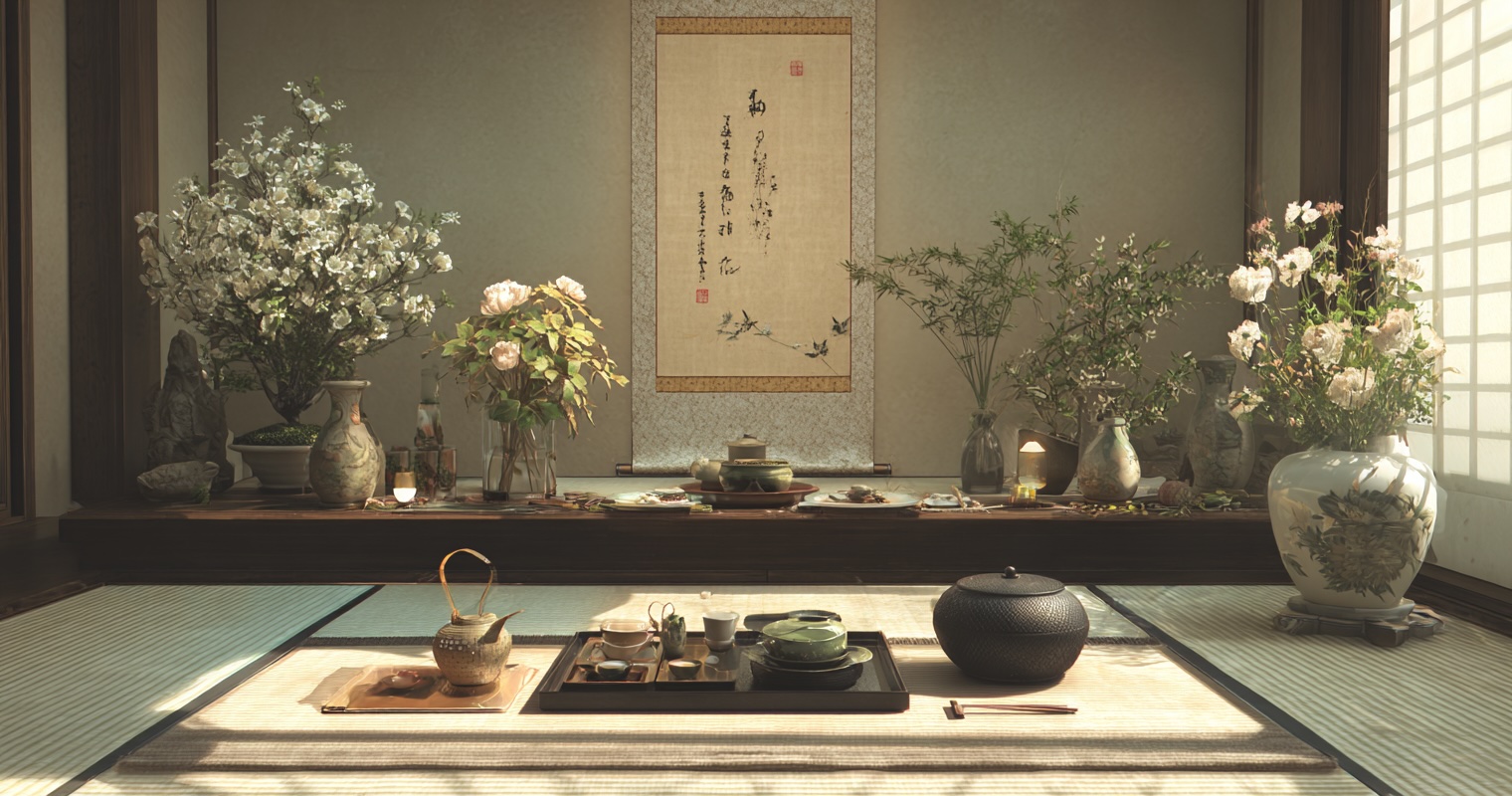
The ceremony is designed to encourage complete presence in a world that rarely slows down. Every detail has meaning: the choice of utensils, the arrangement of flowers, the seasonal scroll displayed in the alcove, even the way guests enter the room.
A famous phrase associated with tea culture is ichi-go ichi-e — "one time, one meeting."
It reminds both host and guest that every gathering is unique and can never be repeated exactly the same way again.
In many ways, the tea ceremony offers a glimpse into broader Japanese values: attentiveness, consideration for others, respect for nature, and an appreciation for fleeting moments.
🌸Why Tea Ceremonies Still Matter Today
Japan is often seen as a nation of bullet trains, neon cities, and cutting-edge technology.
Yet tea ceremonies remain surprisingly relevant in modern life.
Students continue to join tea clubs at schools and universities. Many practitioners spend decades studying the art. Business leaders, artists, and local communities still participate in tea gatherings throughout the year.
For some, tea provides a connection to history. For others, it offers something increasingly rare: a chance to disconnect from constant distractions and focus entirely on the present moment.
As interest in mindfulness grows worldwide, many visitors are surprised to discover that Japan has been cultivating similar principles for centuries through the simple act of preparing tea.
🎎The Tea Masters Who Keep the Tradition Alive
Behind every tea ceremony is years — often decades — of training.
Tea masters study far more than tea preparation. They learn etiquette, calligraphy, flower arrangement, seasonal customs, ceramics, architecture, and the history of the practice itself.
Several schools descended from the teachings of Sen no Rikyū continue to preserve and teach the tradition today, passing knowledge from one generation to the next.
What makes tea culture remarkable is that it remains a living tradition rather than a museum piece. New students continue to learn, teach, and adapt the practice while preserving its core principles.
In this way, tea ceremonies offer a window into how Japanese culture often approaches tradition: not as something frozen in time, but as something carefully carried forward.
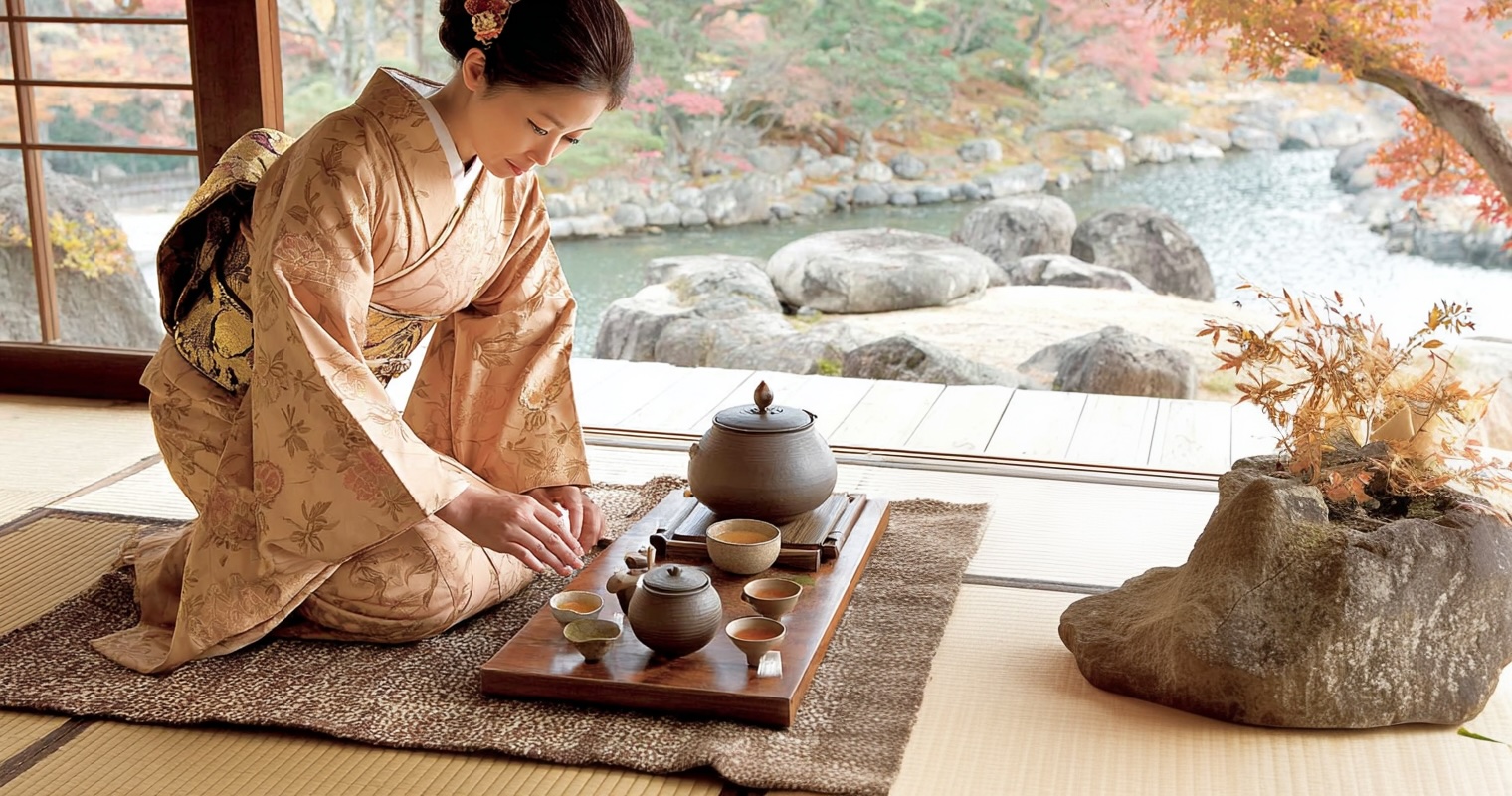
🏺The Craftsmanship Behind Every Bowl
Tea ceremonies are also a celebration of Japanese craftsmanship.
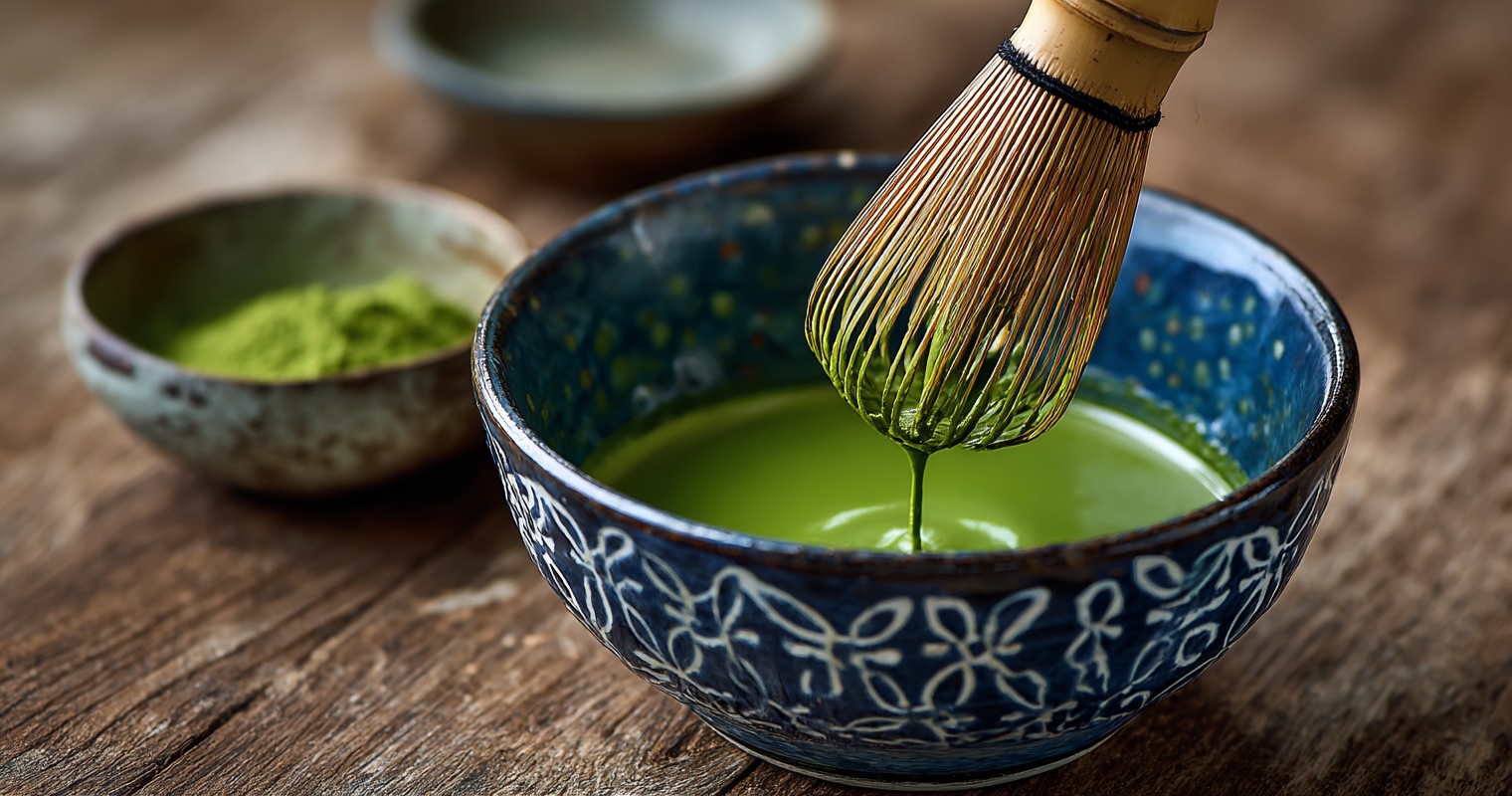
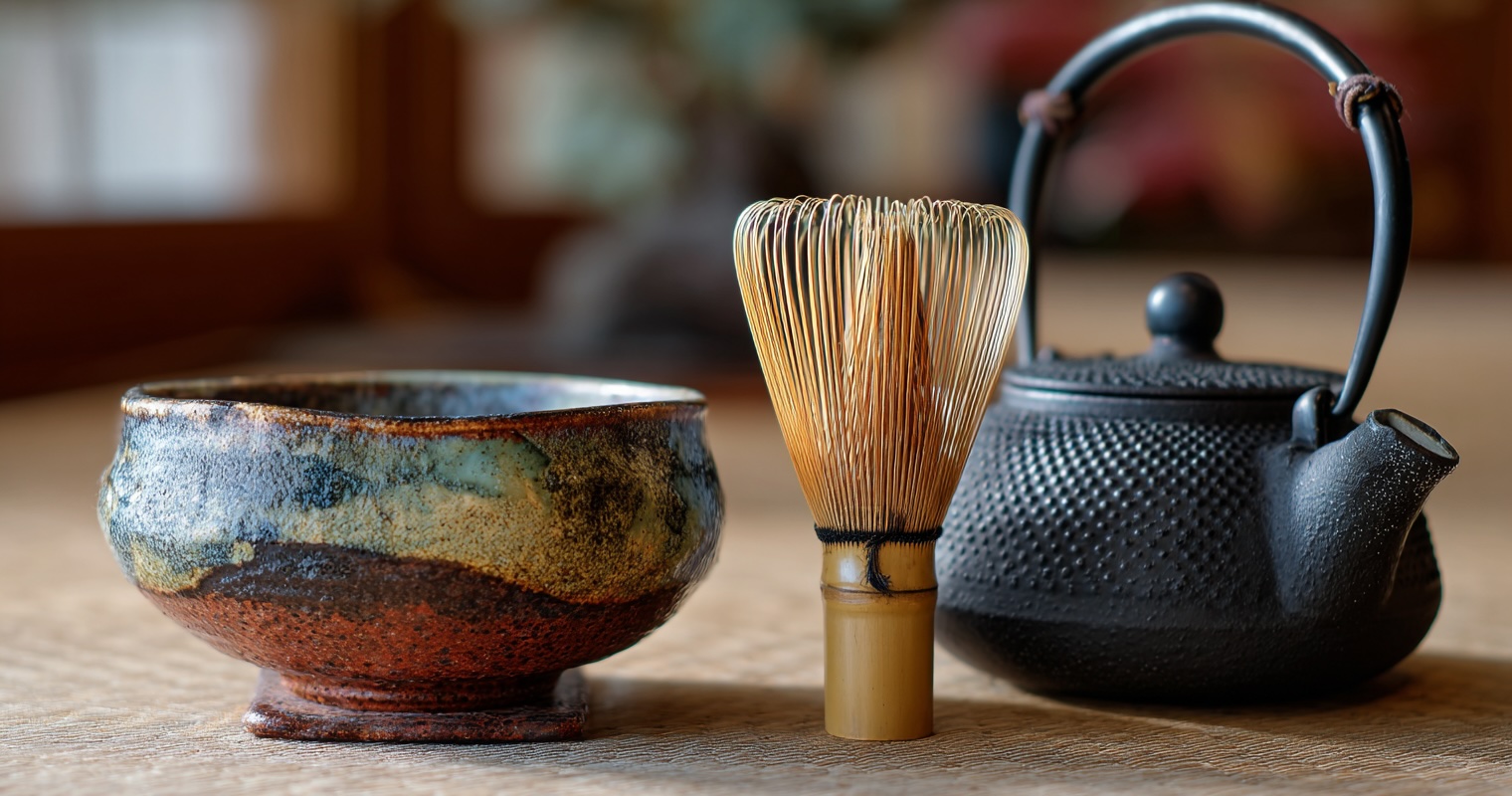
The hand-thrown tea bowl may have been crafted by a ceramic artist whose family has worked with clay for generations. The bamboo whisk is carved by specialist artisans. The iron kettle, lacquerware, textiles, and calligraphy each represent traditions in their own right.
Many of Japan's most celebrated crafts developed alongside tea culture.
For travellers interested in Japanese artisanship, a tea ceremony offers a rare opportunity to see these objects being used exactly as they were intended.
Nothing is displayed behind glass. Every item serves a purpose.
🗺️Experiencing a Tea Ceremony as a Traveller
Today, visitors can experience tea ceremonies across Japan, particularly in Kyoto, where tea culture remains deeply rooted.
🌿Introductory Experiences for First-Time Visitors
The most accessible experiences are designed for international visitors. These often include an explanation of the ceremony, an introduction to matcha, and opportunities to ask questions. They provide an excellent first encounter with the tradition.
Look for sessions in Kyoto's Gion district, at cultural centres in Tokyo, or at tea houses in Uji — the historic heartland of Japanese matcha production.
⛩Traditional Gatherings for Deeper Immersion
Yet there is another side to tea culture that many travellers never see.
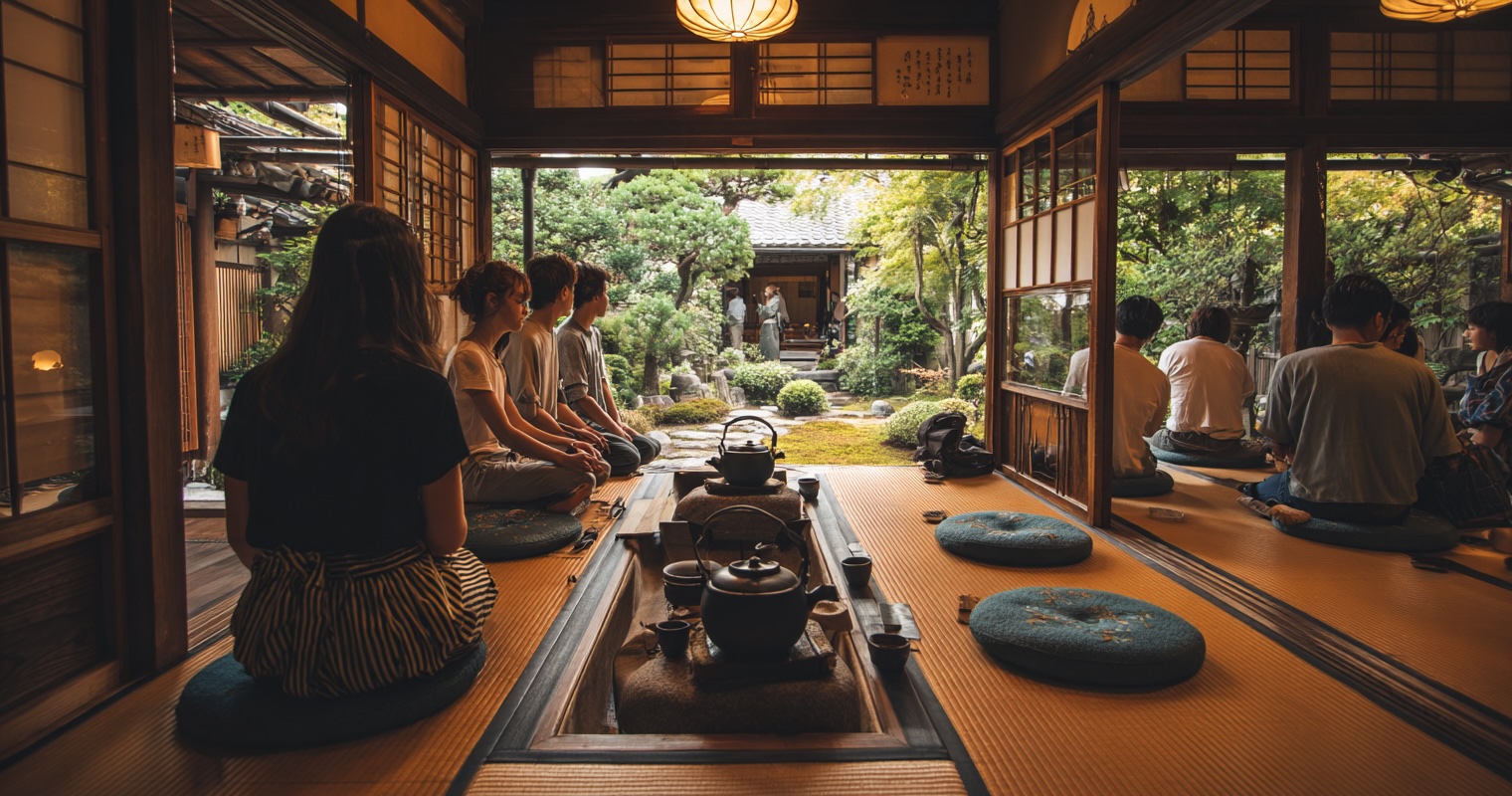
More traditional gatherings may be held in historic tea houses, temples, gardens, or private cultural spaces. The focus is often less on explanation and more on participation. Guests are expected to observe, listen, and immerse themselves in the atmosphere.
Neither experience is inherently better. The tourist-friendly version helps newcomers understand what they are witnessing. The more traditional experience offers a deeper sense of the ceremony's original spirit.
For many travellers, the ideal approach is to begin with an introductory session and then seek out a more traditional gathering if curiosity grows.
🧘Tips for Your First Tea Ceremony
- Book ahead: Popular sessions in Kyoto fill up quickly, especially during spring and autumn.
- Dress modestly: Avoid strong fragrances and wear socks — you may be asked to remove shoes.
- Arrive early: Punctuality is a sign of respect in tea culture.
- Observe before acting: Watch how others bow, receive the bowl, and rotate it before drinking.
- Embrace the silence: Quiet is part of the experience — resist the urge to fill every moment with conversation.
🍃A Different Way to See Japan
In a country filled with bucket-list attractions, tea ceremonies can feel surprisingly understated.
There are no flashing lights, record-breaking statistics, or dramatic photo opportunities.
Instead, there is a bowl of tea.
And yet within that bowl lies centuries of history, philosophy, craftsmanship, and human connection.
To participate in a tea ceremony is not simply to observe Japanese culture. It is to slow down long enough to experience one of its most enduring ideas: that ordinary moments, when approached with care and attention, can become extraordinary.
Long after the tea is finished, that lesson is often what travellers remember most.
💌 Ready to Design Your Tea Ceremony Journey?
Turn this inspiration into a personalized cultural itinerary — pre-filled for chanoyu, matcha, and traditional tea houses across Kyoto, Uji and Tokyo. Review it, tweak anything you like, then build it.
🙋♀️FAQs
Do I need to speak Japanese to attend a tea ceremony?
No — many experiences for international visitors are offered in English with explanations of each step. Traditional gatherings may have less translation, but observation is central to the experience.
What is the difference between matcha and regular green tea?
Matcha is powdered green tea whisked directly into hot water, producing a thick, frothy drink. Tea ceremonies traditionally use ceremonial-grade matcha, which has a distinctively rich, slightly bitter flavour.
Where is the best place to experience a tea ceremony?
Kyoto is the most popular destination, with tea houses in Gion and near major temples. Uji, just south of Kyoto, is renowned for matcha production. Tokyo also offers excellent introductory sessions at cultural centres.
How long does a tea ceremony last?
Introductory sessions for tourists typically last 45–90 minutes. A formal traditional ceremony can last several hours, including the full sequence of preparing and serving tea along with sweets.
May your journey into the way of tea bring you stillness and wonder. 🍵