
The Art of Bonsai in Japan
From Samurai Roots to Modern Masterpieces
🌱 Create Your Own Cultural Japan Journey
Inspired by bonsai? Design a personalized Japan itinerary focused on traditional arts, hands-on workshops, temple gardens, and slow travel experiences. Mention "bonsai theme" or "traditional arts focus" in your notes for a tailored experience.
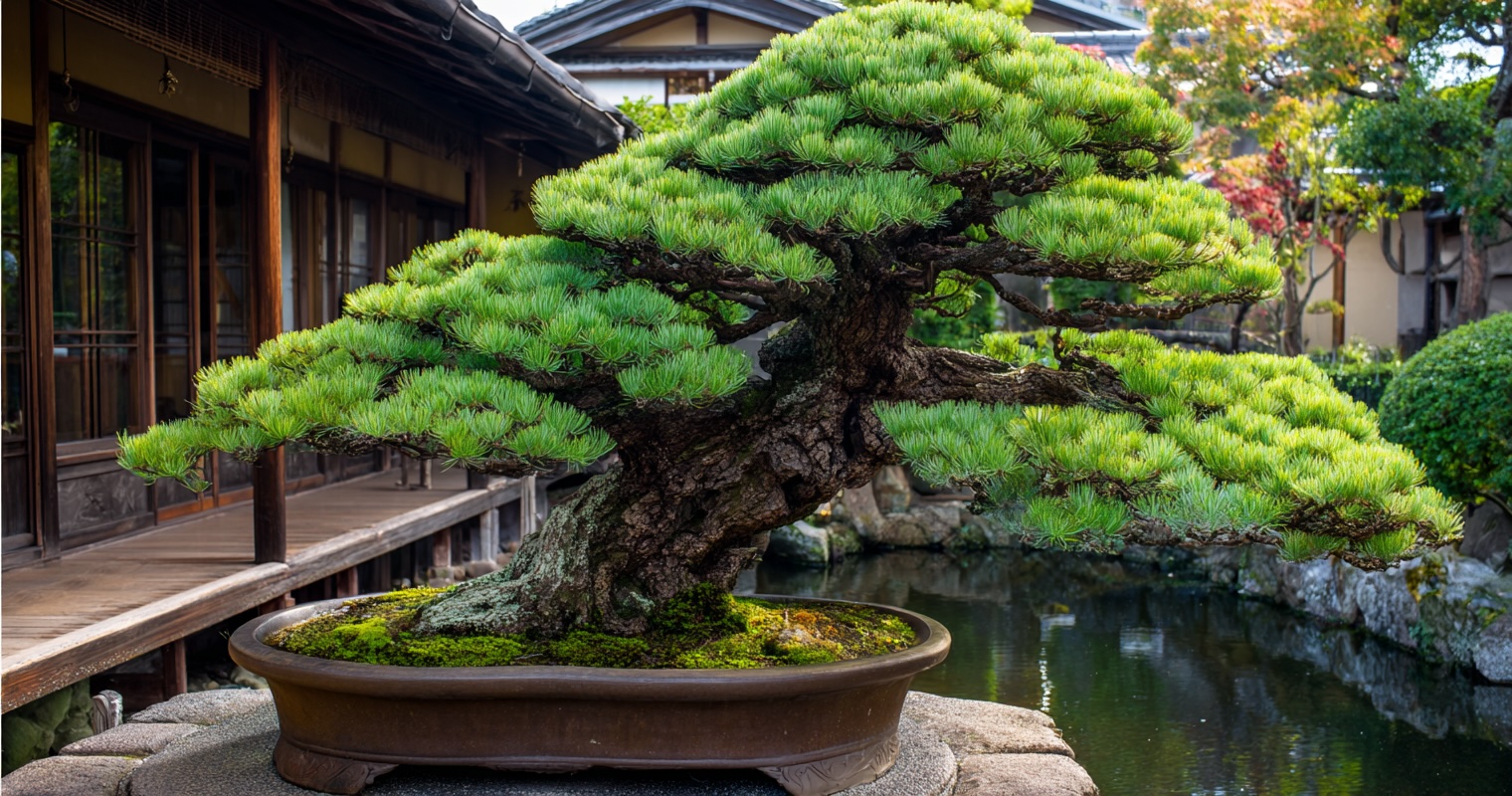
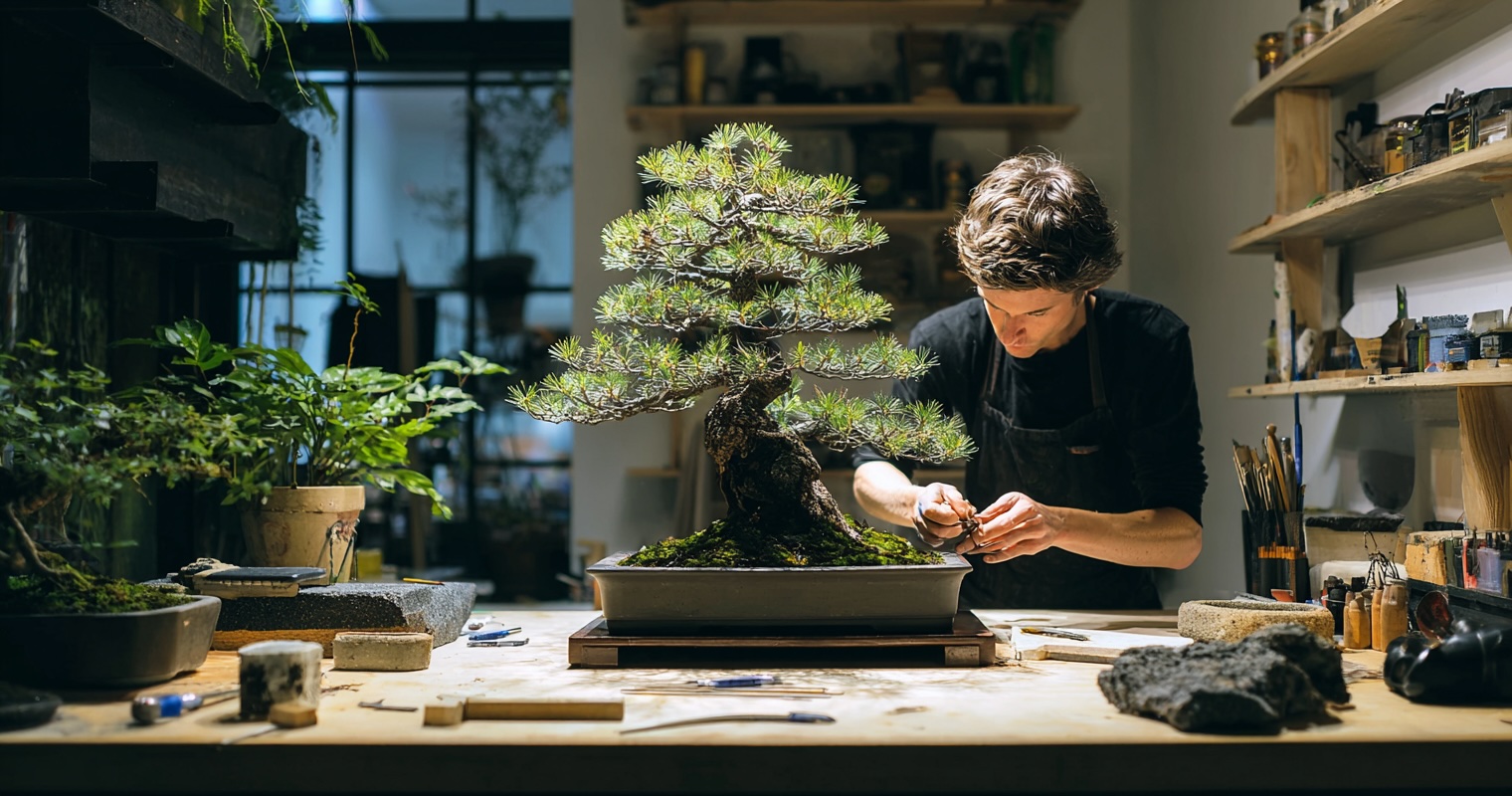
In a quiet courtyard in Tokyo, a 300-year-old pine tree stands barely half a meter tall.
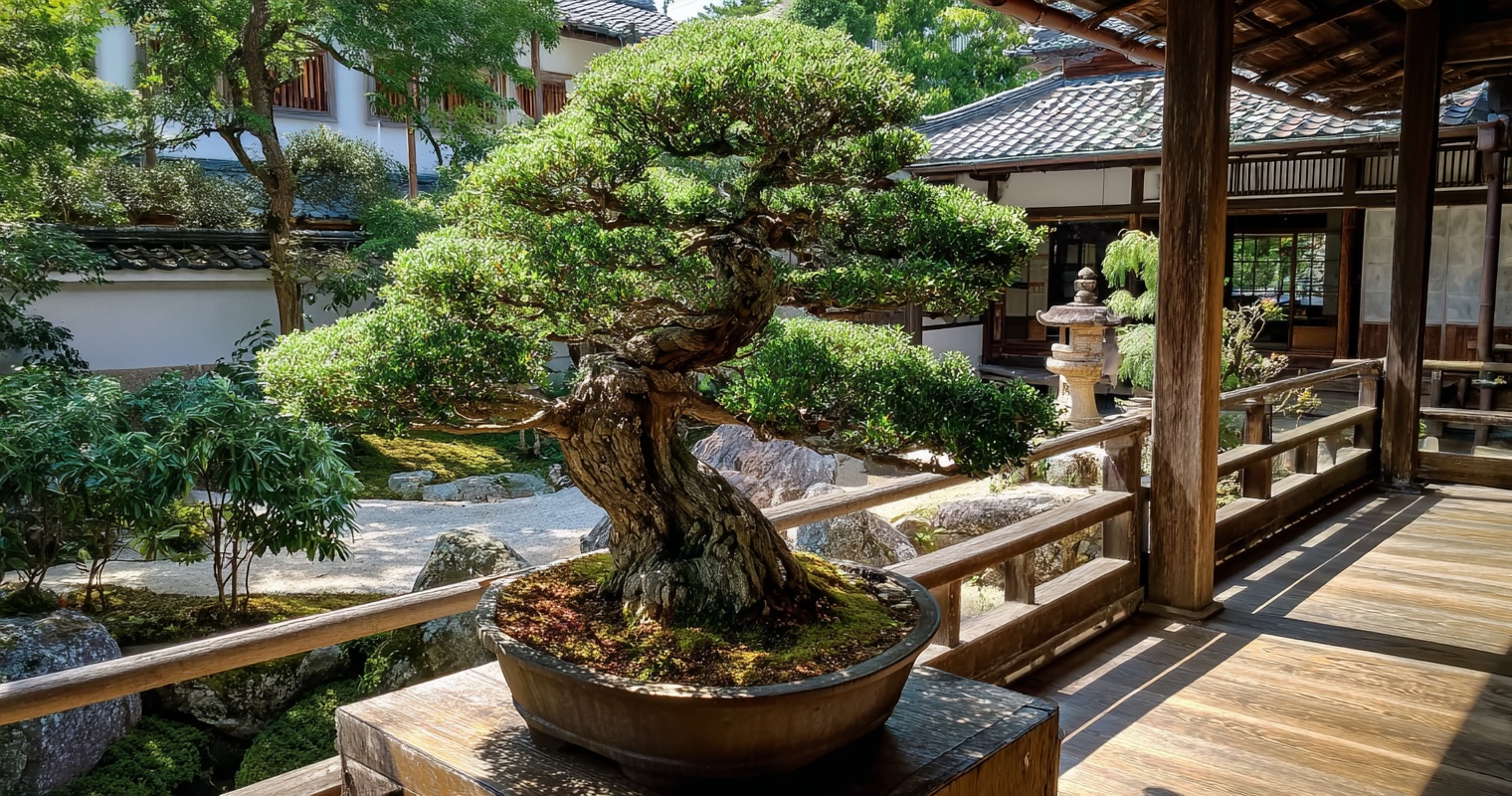
Its trunk twists like a mountain survivor. Its bark is cracked with age. Its branches stretch outward in careful balance — shaped by generations of patient hands.
This is bonsai.
Not a plant. Not decoration. But living sculpture.
Bonsai is one of Japan's most refined art forms — a practice that blends horticulture, philosophy, discipline, and time. To understand bonsai is to understand something essential about Japan itself: its reverence for nature, its embrace of imperfection, and its belief that beauty deepens with age.
Let's explore how bonsai evolved — and how you can experience it in Japan today.
📜The Origins of Bonsai: From China to Zen Japan
Long before bonsai became synonymous with Japan, its roots began in China over 1,000 years ago.
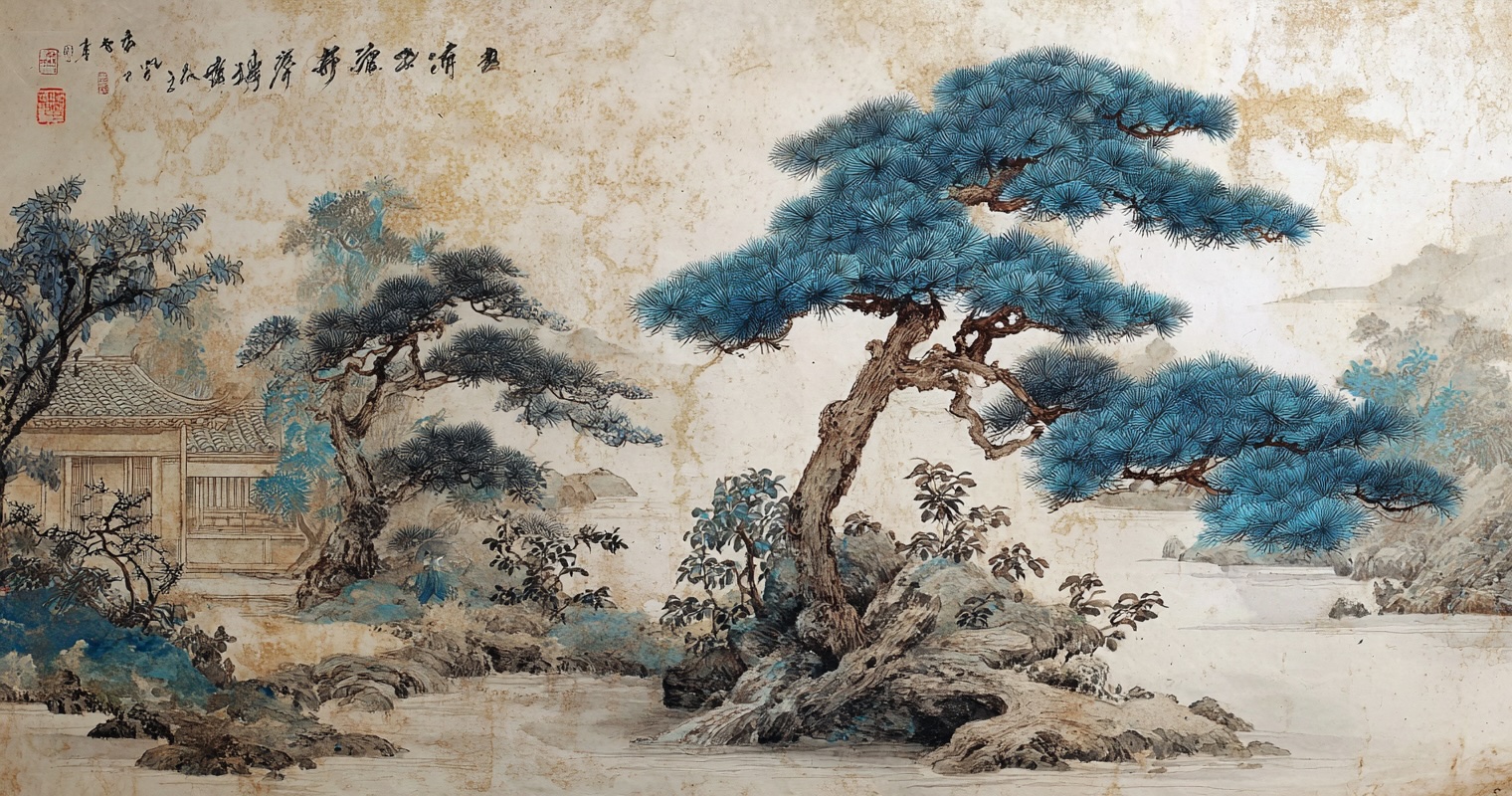
The Chinese art of penjing involved cultivating miniature landscapes in shallow containers — tiny mountains, trees, and entire scenes crafted to evoke the natural world.
When Buddhism spread to Japan between the 6th and 8th centuries, monks brought penjing with them. Over time, Japanese practitioners refined the art — simplifying it, focusing more deeply on individual trees rather than landscapes.
By the Kamakura period (1185–1333), bonsai had become associated with Zen philosophy. The emphasis shifted:
- From elaborate landscapes → to minimalism
- From decoration → to contemplation
- From imitation → to essence
Zen ideals shaped bonsai into what it is today: restrained, asymmetrical, and intentional.
🎎Bonsai and the Samurai Aesthetic
During the Edo period (1603–1868), bonsai flourished among the samurai and aristocratic classes.
Why? Because bonsai embodies discipline.
- Pruning requires restraint.
- Shaping requires foresight.
- Caring for a tree over decades requires patience.
These values aligned closely with bushido — the samurai code.
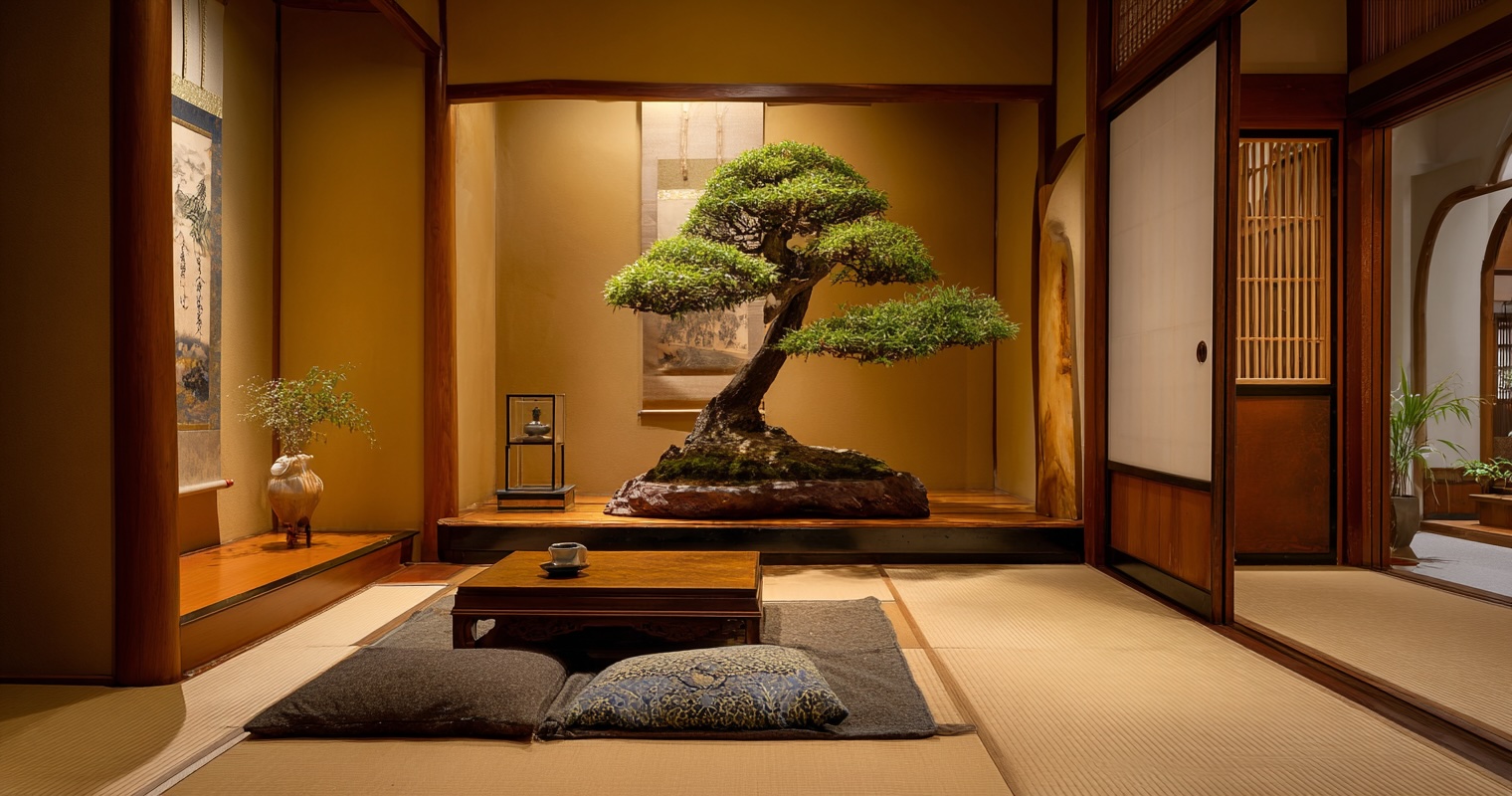
Bonsai also became a feature of traditional Japanese homes. Trees were displayed in the tokonoma, a recessed alcove used to showcase seasonal art. The tree selected for display would reflect the time of year — cherry blossoms in spring, maple in autumn, pine in winter.
This seasonal awareness reflects a broader Japanese cultural theme: living in harmony with nature's cycles.
🌸The Philosophy Behind the Tree
At its core, bonsai expresses three key Japanese aesthetic principles:
Wabi-Sabi
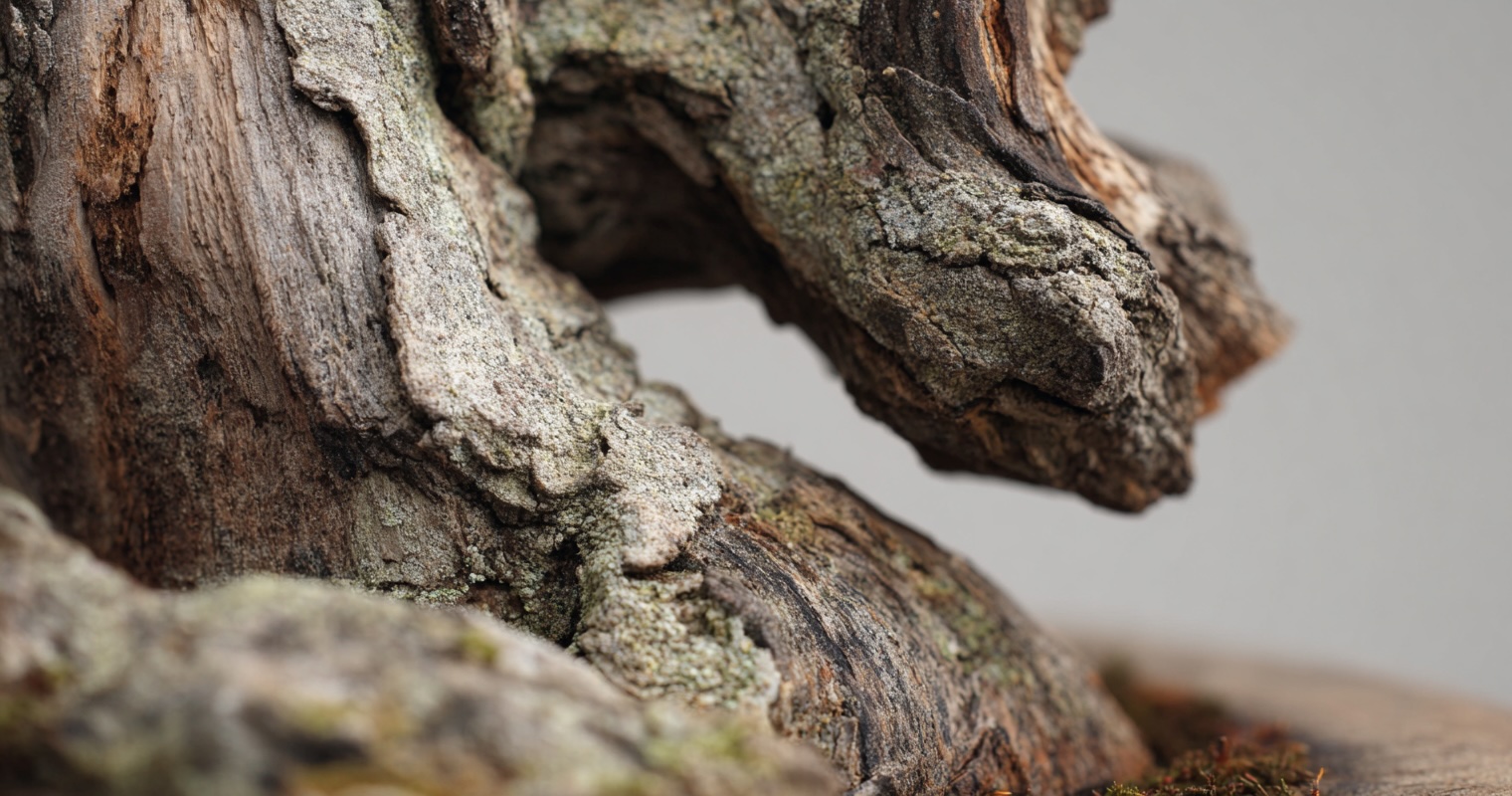
Beauty in imperfection and impermanence. A gnarled trunk or weathered bark is not a flaw — it's character.
Ma (Negative Space)
Empty space between branches is intentional. What isn't there matters as much as what is.
Mono no Aware
An awareness of transience — the gentle sadness that things fade.
A bonsai tree is never "finished." It is shaped over decades. Sometimes centuries. Many are passed down through families like heirlooms.
In this way, bonsai is less about control — and more about collaboration with time.
🌍Bonsai in the Modern World
Today, bonsai is both deeply traditional and globally contemporary.
Japan remains the spiritual heart of bonsai, but the art has spread worldwide. International exhibitions draw artists from Europe, North America, and Southeast Asia. Social media has introduced a new generation to the craft.
Within Japan itself, younger bonsai artists are experimenting with:
- Dramatic deadwood techniques
- Contemporary ceramic containers
- Minimalist apartment-sized bonsai
- Bold reinterpretations of classical styles
At high-end auctions, exceptional bonsai trees have sold for hundreds of thousands of dollars. Some are over 400 years old.
And yet, bonsai is not reserved for elite collectors. In Tokyo neighborhoods, you'll still see small trees quietly growing outside family homes — everyday reminders of nature's presence.
🗺️Where to Experience Bonsai in Japan
If bonsai speaks to you, Japan offers unforgettable ways to experience it firsthand.
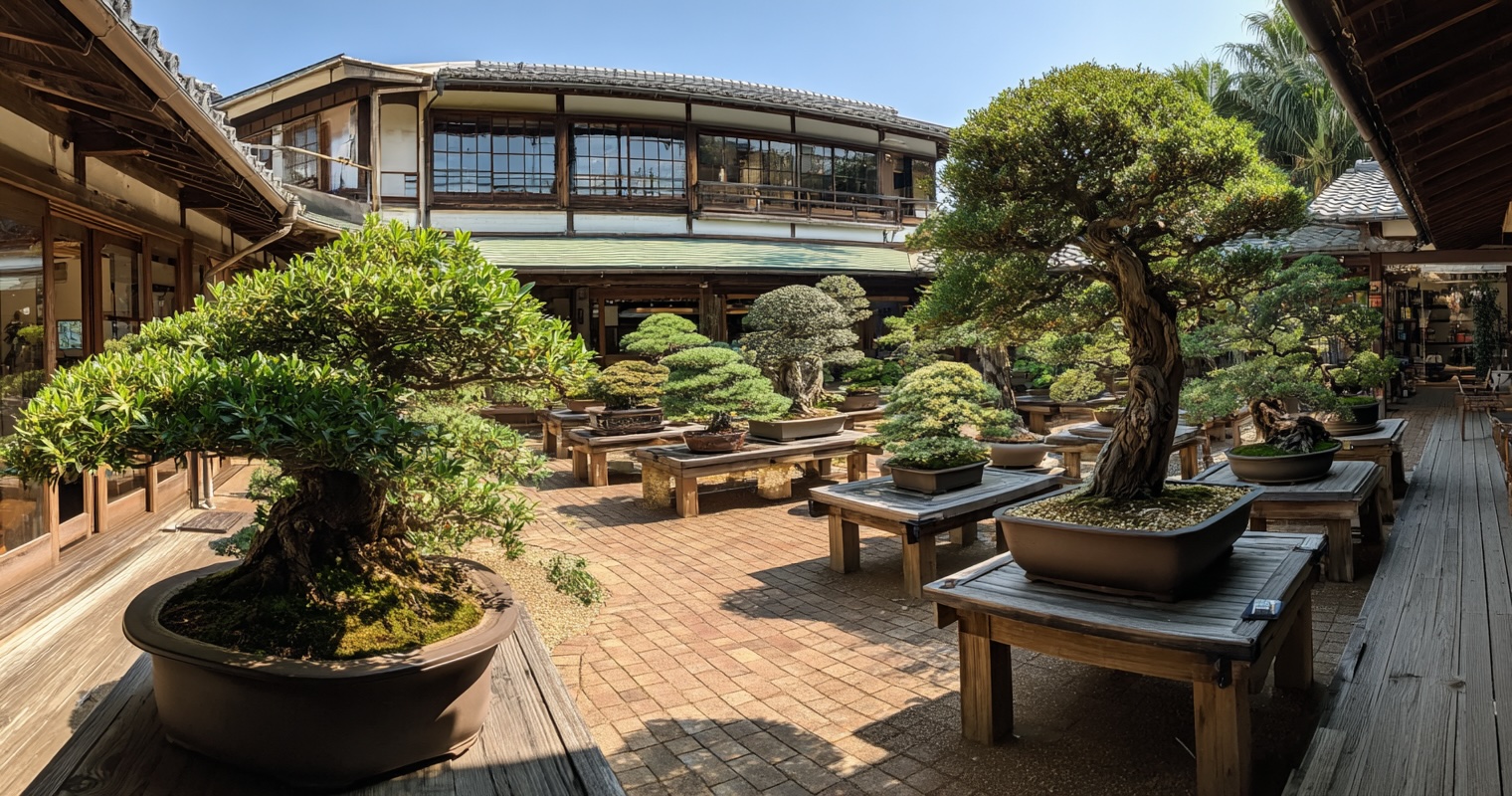
🌲Omiya Bonsai Village (Saitama) – The Bonsai Capital
Just north of Tokyo lies Omiya Bonsai Village, the most important bonsai district in Japan.
Founded in 1925 by master growers, the village is home to multiple family-run bonsai nurseries and the renowned Omiya Bonsai Art Museum.
Here you'll find:
- Master-level trees centuries old
- Educational exhibits on bonsai styles
- Seasonal displays
- Quiet residential streets lined with miniature masterpieces
If you want a deep dive into bonsai history and technique, this is essential.
🎍Shunkaen Bonsai Museum (Tokyo) – Learn from a Master
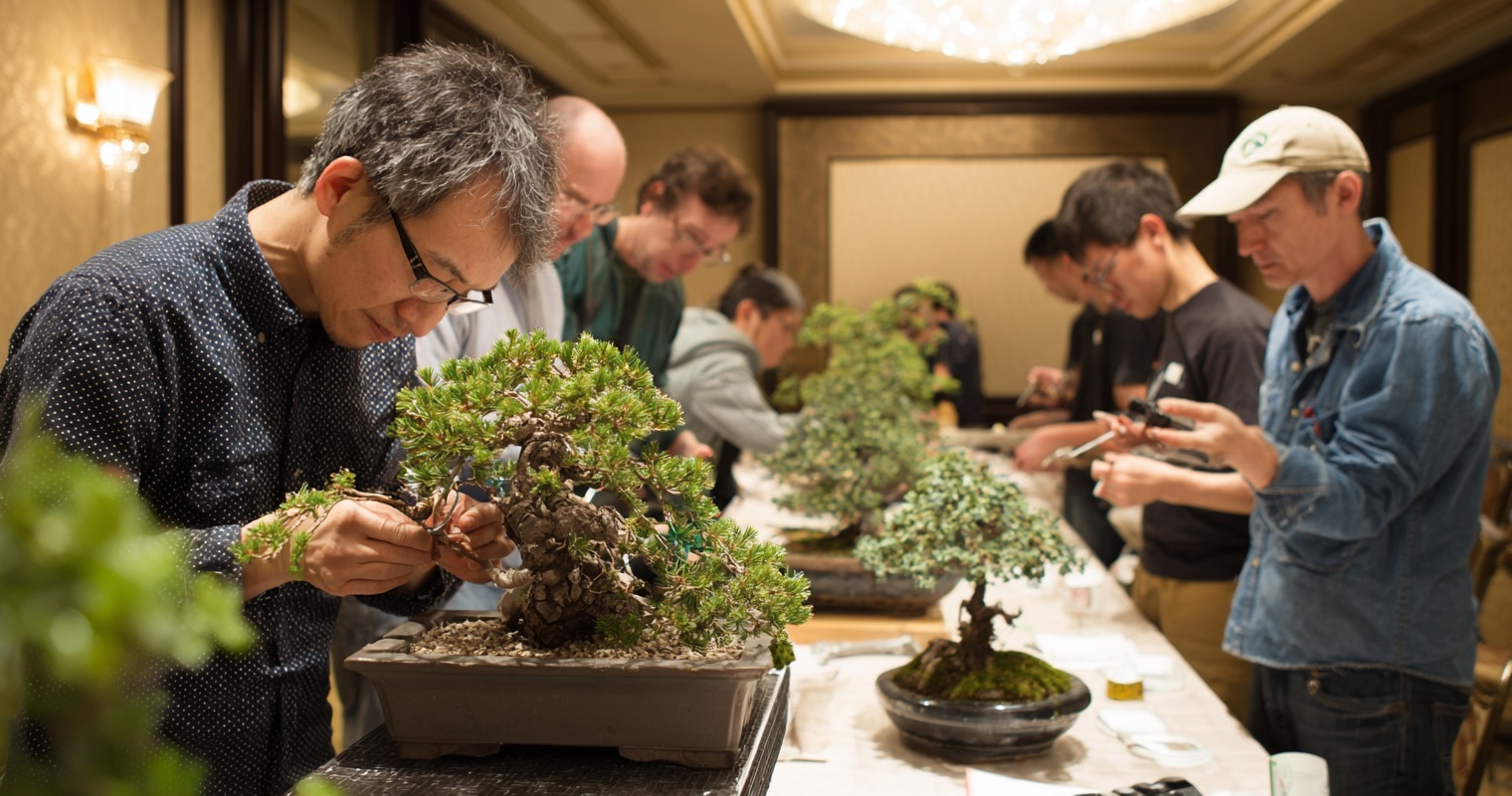
Run by internationally respected bonsai master Kunio Kobayashi, Shunkaen offers guided tours and workshops in English.
Visitors can:
- Learn about shaping and wiring techniques
- See award-winning bonsai
- Participate in hands-on classes
- Purchase beginner trees to take home
It's one of the most immersive bonsai experiences available in Japan.
🌊Takamatsu, Shikoku – Pine Bonsai Country
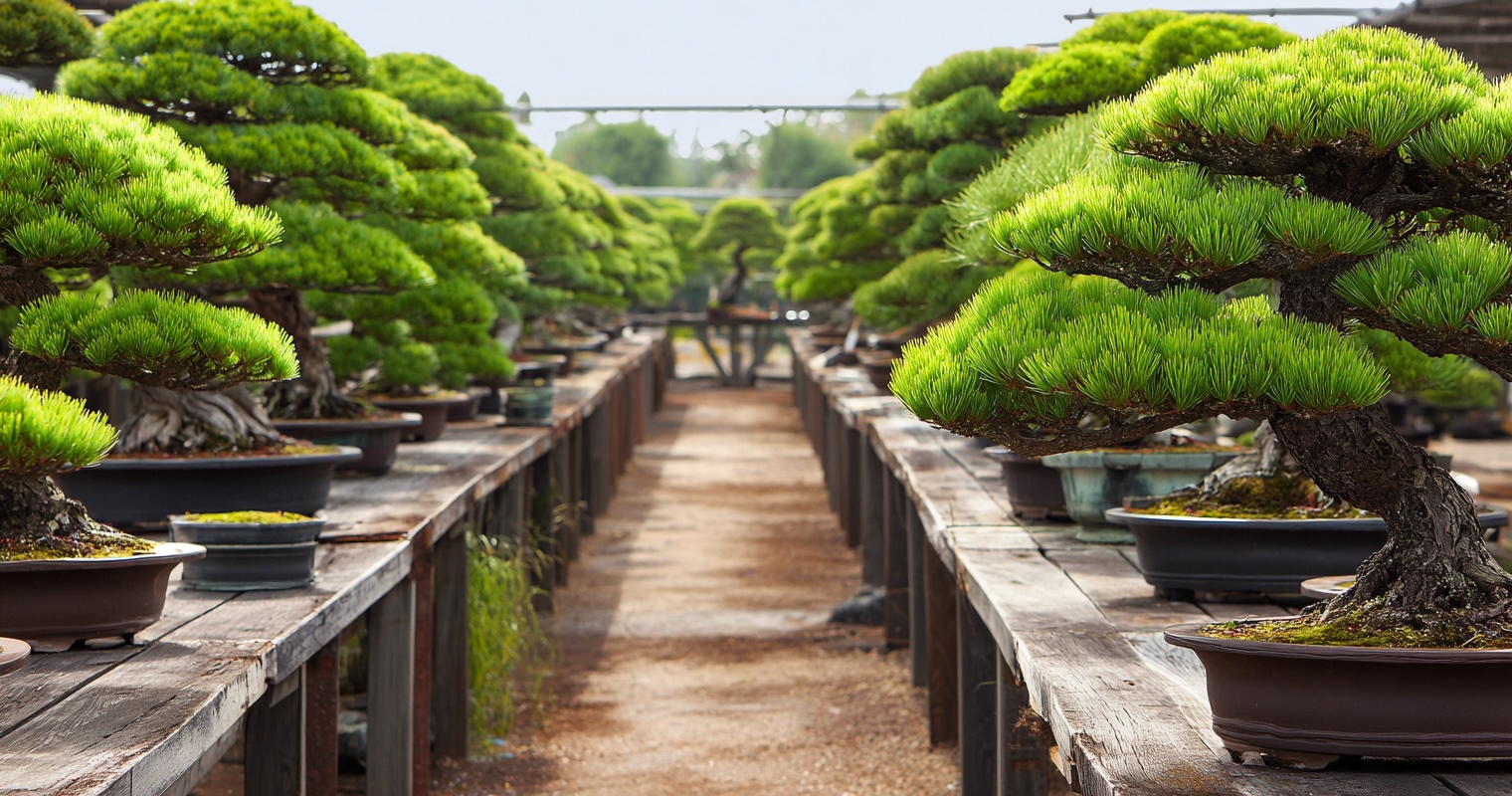
The Takamatsu region is famous for producing high-quality pine bonsai. Visiting local growers gives you insight into how bonsai cultivation is both art and agricultural craft.
This region is quieter and less touristy — ideal for slow travelers.
⛩Kyoto Temple Gardens – Subtle & Seasonal
Many Kyoto temple gardens feature exquisite bonsai displays, especially during seasonal exhibitions.
Pair bonsai viewing with:
- Zen rock gardens
- Tea ceremony experiences
- Traditional arts workshops
Kyoto offers context — bonsai as part of a larger aesthetic philosophy.
🧘How to Incorporate Bonsai Into Your Japan Trip
A bonsai-themed journey works beautifully when combined with:
- Tea ceremony experiences
- Ikebana (flower arranging) workshops
- Zen meditation sessions
- Garden-focused itineraries
- Slow-travel stays in traditional ryokan
Rather than rushing between cities, bonsai invites you to travel more intentionally.
🚄Planning Your Bonsai Journey
- Omiya is an easy day trip from Tokyo
- Bonsai workshops should be booked in advance
- Spring and autumn offer the most dramatic seasonal displays
- Pair bonsai visits with cultural districts rather than nightlife hubs
Because many nurseries are small and family-run, planning ahead ensures the best experience.
💌Ready to Design Your Bonsai-Inspired Japan Trip?
Turn this inspiration into a personalized cultural itinerary. When using our planner, include:
- "Bonsai theme" or "traditional arts focus"
- Interest in hands-on workshops
- Preferred regions (Tokyo, Kyoto, rural Japan)
- Whether you'd like to combine bonsai with tea ceremony or Zen experiences
🙋♀️FAQs
Can tourists participate in bonsai workshops?
Yes — several studios offer beginner-friendly sessions in English.
Can I bring a bonsai home?
Export rules vary by country and species. Check agricultural regulations before purchasing.
Is bonsai only for experts?
Not at all. Many workshops are designed for beginners.
When is the best season to see bonsai?
Spring (cherry blossoms, fresh growth) and autumn (maple leaves) are especially beautiful.